
Understanding Fairness in Gambling
Fairness in gambling is a fundamental concern for players, whether they are in a traditional casino or playing online. It essentially refers to the integrity of the games and the transparency of outcomes. In a traditional casino, players can observe the dealer and the game environment, which can give a sense of assurance regarding the legitimacy of the operation. The tactile experience of handling chips and watching cards being dealt can reinforce a player’s belief in the fairness of the game. However, this visual connection often overshadows the technological mechanisms that govern both traditional and online gambling.
Unlike their traditional counterparts, online casinos rely heavily on Random Number Generators (RNGs) to ensure the fairness of games. These algorithms are designed to produce outcomes that are unpredictable and statistically random, effectively mimicking the randomness found in physical games. Players may question the integrity of online games due to the lack of visual confirmation of the mechanics at play. Consequently, many online casinos provide detailed disclosures about their RNGs and the testing processes they undergo, while also offering options like online pokies australia real money to bolster player confidence and trust in their fairness.
It’s essential to understand that both traditional and online casinos are governed by laws and regulations aimed at ensuring fair play. Regulatory bodies in various jurisdictions establish standards that operators must meet. Online casinos are often subjected to rigorous tests by independent agencies to validate their RNGs and confirm that games are fair. Therefore, while traditional casinos provide a familiar setting, online casinos are equally committed to ensuring a fair gaming environment, though the methods of verification differ significantly between the two.
The Role of Regulation and Licensing
Regulation and licensing play a crucial role in determining the fairness of casinos, whether online or traditional. Traditional casinos must obtain licenses from regulatory authorities that ensure compliance with strict gaming laws. These regulations govern everything from the payout rates of slot machines to the conduct of dealers. Players visiting a physical casino can often verify its licensing through signage and actively engaging with staff, enhancing their sense of security. This physical presence can provide an added level of comfort that some players may find lacking in an online environment.
Online casinos, on the other hand, must also possess valid licenses and are often regulated by multiple authorities. These licenses can vary widely in terms of their credibility and the rigor of the oversight involved. Consequently, players need to do their research to ascertain whether a particular online casino is licensed by a reputable authority. Instances of unregulated online casinos can lead to unfair practices, making it critical for players to prioritize licensed operators known for their commitment to maintaining fairness. This diligence in investigation can significantly affect a player’s overall experience and sense of security.
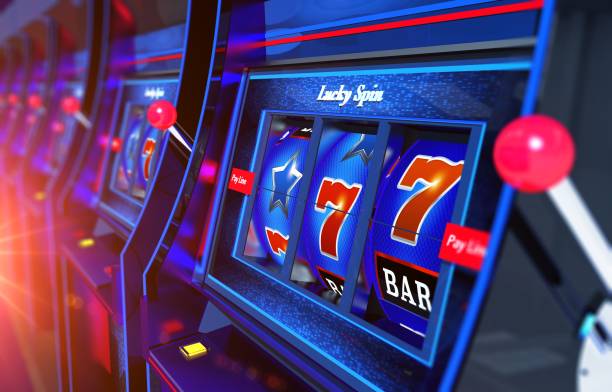
The competitive nature of the online gambling market further incentivizes operators to adhere to fair practices. Reputable online casinos often feature certifications from independent testing agencies, which regularly assess the fairness of games. These certifications assure players that the RNGs and games have been thoroughly evaluated, thereby enhancing trust. Moreover, as awareness of these certifications grows, players are increasingly likely to seek out trusted brands that can substantiate their claims of fairness. Regardless, individuals looking to play online must remain vigilant and seek out clearly regulated platforms that prioritize player protection and fairness.
Player Experience and Perception
The player experience in traditional casinos often revolves around the social interaction and atmospheric buzz that they provide. Players can interact with dealers and fellow gamblers, which can enhance the perception of fairness. This social dimension fosters a communal atmosphere where experiences can be shared, and trust can be built through interaction. In contrast, online casinos may come off as cold or impersonal, which could lead players to feel less connected and consequently question the fairness of the games. The absence of a social element can create a psychological barrier, making it harder for online players to trust the outcomes they receive.
Moreover, the graphics and user interface of an online casino play a pivotal role in shaping player perceptions. Well-designed platforms that simulate the look and feel of traditional casinos might enhance a player’s trust. For instance, the use of high-quality graphics and realistic animations can create an immersive experience that mirrors physical gambling environments. Conversely, poorly designed websites can breed suspicion and skepticism about the fairness of the games offered. The level of transparency with which an online casino communicates its practices, such as how often they publish payout percentages, also significantly impacts player trust and perceived fairness.
Trust in online casinos can also be bolstered through community feedback. Player reviews and forums can provide insight into others’ experiences, creating a collective understanding of a casino’s reputation. Positive testimonials can create an air of confidence, while negative experiences shared by others might raise alarms. Thus, players benefit from engaging with community insights, helping them to make informed decisions about where to play, further bridging the gap between traditional and online gaming experiences. The importance of community cannot be understated, as it plays a vital role in shaping perceptions of fairness in both formats.
Technological Advances and Fairness
The rise of technology has transformed the gambling landscape, integrating sophisticated software that enhances the gaming experience while aiming to maintain fairness. Many online casinos utilize blockchain technology to create transparent, immutable records of all transactions and game outcomes. This innovation allows players to verify results independently, cultivating a greater level of trust compared to traditional casinos, where such transparency is often hard to achieve. The decentralized nature of blockchain also means that players can engage with verifiable outcomes, removing the uncertainty that sometimes surrounds online gaming.

Additionally, the implementation of artificial intelligence in online casinos has the potential to improve fairness and player experience. AI can analyze player patterns to detect irregularities, such as potential cheating or fraud. By proactively monitoring gameplay, operators can ensure that fairness is upheld, thus safeguarding both player interests and their reputation. Such technology can enhance trust among players who may feel uncertain about the fairness of online offerings compared to traditional settings. AI-driven analytics not only bolster security but also promote a more personalized gaming experience tailored to individual preferences.
Furthermore, advancements in virtual reality (VR) and augmented reality (AR) are also changing how players experience online casinos. These technologies can simulate the atmosphere of a traditional casino, helping to bridge the gap between both formats. By creating a more immersive environment, VR and AR may alleviate some players’ concerns about the fairness of online games, making them feel more engaged and confident in their choices. Such innovations not only enhance the entertainment factor but can also provide players with a sense of control over their gaming experiences, thereby reinforcing perceptions of fairness.
Conclusion and Next Steps for Players
In conclusion, determining whether online casinos are as fair as traditional ones largely depends on various factors, including regulation, technology, player experience, and personal perception. Both forms of gambling maintain certain standards of fairness, but the methods and transparency can differ significantly. Players should conduct thorough research prior to choosing where to gamble—whether online or in person—to ensure they are participating in a fair environment. Understanding these differences can empower players to make informed decisions that suit their gaming preferences.
The key takeaway for players is to prioritize licensed casinos, ensure they understand the technology’s role, and be aware of community feedback. Engaging with other players and staying informed about industry trends will ultimately contribute to a safer gambling experience. By being proactive, players can enjoy their gaming experience without compromising on fairness and integrity. This proactive engagement includes reading reviews, participating in forums, and staying up-to-date with the latest advancements in gaming technology.
As the online casino landscape continues to evolve, maintaining an informed and cautious approach will empower players to make decisions that align with their values. Whether one chooses the social experience of a traditional casino or the convenience of online gaming, fairness is attainable through informed choices and research. So, the next time you sit down for a game, whether online or face-to-face, remember that fairness is ultimately shaped by the choices you make. By fostering a culture of awareness and education, players can navigate the complexities of both gaming environments with confidence and assurance.